
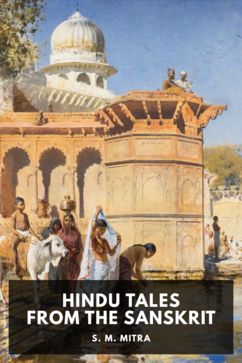
Hindu Tales from the Sanskrit - S. M. Mitra
Let's clear something up first: this isn't one long novel. Hindu Tales from the Sanskrit is a curated collection of traditional Indian stories, translated and adapted for English readers by S. M. Mitra in the early 1900s. Think of it as a sampler platter from a vast literary tradition.
The Story
There is no single plot. Instead, you jump from one self-contained tale to the next. You might meet a generous king tested by a disguised god, a group of animals who outwit a hunter, or a proud man humbled by a simple lesson. The characters are archetypes—the Wise Teacher, the Greedy Merchant, the Loyal Friend—which makes their dilemmas universal. The conflict is rarely just good versus evil; it's more about wisdom versus folly, duty versus desire, or illusion versus truth. The resolutions often carry a moral weight, but they're delivered through the story's action, not a heavy-handed lecture.
Why You Should Read It
I loved this book for its simplicity and depth. These stories are like cultural DNA—they show how people centuries ago tried to make sense of the world. The language is clear and direct (a credit to Mitra's translation), which lets the timeless lessons shine through. My favorite tales were the ones with animals, where a clever crow or a brave little bird teaches a human a thing or two about intelligence and courage. It's refreshing to read something so old that still feels relevant. You see the roots of narrative patterns that appear in stories everywhere.
Final Verdict
This book is perfect for curious readers who love mythology, folklore, or short stories with a point. It's a fantastic, low-commitment entry point into Indian literature and thought. If you enjoy Aesop's Fables or the parables you might find in various traditions, you'll feel right at home here. It's also great for parents looking for meaningful stories to share (though maybe preview them first!). Just don't go in expecting a novel—go in expecting a conversation with the past, one fascinating story at a time.
The copyright for this book has expired, making it public property. You do not need permission to reproduce this work.
John Johnson
8 months agoI appreciate how this edition approaches the core problem, the way it challenges the status quo is both daring and well-supported. Thanks for making such a high-quality version available.
Kimberly Thomas
1 year agoAs someone who reads a lot, the depth of research presented here is truly commendable. Don't hesitate to start reading.
Logan Martin
6 months agoFinally found time to read this!
Andrew Allen
1 year agoA bit long but worth it.






Michael Rodriguez
1 year agoVery satisfied with the depth of this material.