
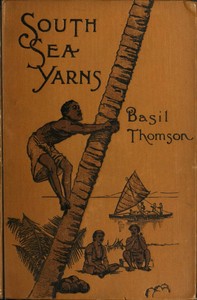
South Sea Yarns by Basil Thomson
There's something totally addictive about first-hand accounts of far-off places, especially when they’re as messy and real as South Sea Yarns. Basil Thomson wasn’t just some armchair writer; he was a British colonial officer who actually lived among the islanders of Fiji and Papua New Guinea in the 1880s. And man, did he come home with stories.
The Story
This isn’t one big plot; it’s a collection of vivid vignettes. Each chapter feels like sitting on a creaky porch with an old traveler who smells like salt and whiskey. Thomson mixes official history, his own run-ins, and native legends. The main throughline? Culture clash, plain and simple. You've got a colonial administrator trying to ban 'native dancing' and failing hilariously (or tragically). There's the story of a Chief Pakalali, a bad dude who tells Thomson about eating his enemies—not as shock value but as everyday custom. My favorite part: a ghost story told by Fijian beachcombers about a schooner that carries the souls of dead white men. Always wild when you realize these 'yarns' are for real one embarrassing or deadly swap of confusing words. The mystery is simply this: how do humans survive in a world half-sea, half-custom, and all confusion?
Why You Should Read It
First, Thomson is no flowery Victorian. His voice is so direct it hurts. He says someone stole his boots. He doesn't airbrush the stew of Polynesian life or his own part in it. You feel the sticky humidity, hear the swish of dog-teeth footware, and laugh out loud at his mix-ups. Book clubs could chat for hours on his main theme: that 'civilizing' is just another fancy word for messing up someone’s party. Also, unusual for a white guy of his era, he adds dashes of genuine respect for islander values. Thomson shows them as fully human—smart, kind, deceitful and vengeful, not just exotic birdies to examine. You might hate how weird his time was while loving the raw material. Plus, sword fights in lava flows and missionaries losing it? What’s not to eat up?
Final Verdict
Perfect for travelers stuck inside, vibe-readers wanting old-time chaos, history fans tired of boring textbooks, or anyone who digs humorous disasters. If you hate survival tales, cross-cultural stuff, or anthologies that hop bodies and gears, you'll want to skip. Otherwise, grab a lemonade and let Thomson delight and disturb you for three solid hours. Warning: you will seem super smart/deep at dinner parties while everybody screams, 'Wait, that actually happened in history?!' He’s the salty companion your tbr pile’s been missing.
The copyright for this book has expired, making it public property. Thank you for supporting open literature.
Jessica Garcia
11 months agoI appreciate how this edition approaches the core problem, the attention to detail regarding the core terminology is flawless. The price-to-value ratio here is simply unbeatable.
Charles Thomas
4 months agoGreat value and very well written.
Thomas Harris
5 months agoThe research depth is palpable from the very first chapter.
Karen Martinez
11 months agoThe author provides a very nuanced critique of current methodologies.









Michael Lee
3 months agoA sophisticated analysis that fills a gap in the literature.