
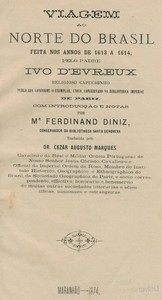
Viagem ao norte do Brazil feita nos annos 1613 a 1614, pelo Padre Ivo D'Evreux
Forget everything you think you know about 17th-century travel writing. Viagem ao norte do Brazil isn't a polished report for a king; it's the raw, daily journal of a French Capuchin monk named Yves d'Evreux. In 1613, he landed in what is now São Luís, Brazil, with a clear mission from his king: establish a French colony and convert the indigenous Tupinambá people to Christianity.
The Story
The book follows his two years living among the Tupinambá. He describes their villages, their intricate social rituals, and their fierce resistance to Portuguese colonizers. Father d'Evreux details his attempts to preach, which often led to confusion or polite dismissal from the people he was trying to 'save.' Alongside his spiritual struggles, he meticulously records everything—from local warfare and marriage customs to the shocking (to him) practice of ritual cannibalism. The narrative is driven by this constant tension between his duty to change them and his growing documentation of their complex, self-sufficient world.
Why You Should Read It
What makes this book so gripping is the human voice. You can feel d'Evreux's sincerity and his genuine bafflement. He's not a villain; he's a man of his time, trying to do what he believes is right while being utterly surrounded by a culture he doesn't understand. Reading his observations gives us a priceless, direct window into Tupinambá life before it was radically altered. It’s an uncomfortable but essential perspective on the roots of colonial America.
Final Verdict
Perfect for readers who love primary source history and real adventure stories. If you enjoyed the visceral detail of books like The Lost City of Z or the complex cultural encounters in 1491, you'll be fascinated by this. It's a challenging but rewarding read for anyone curious about the messy, personal realities behind the grand narratives of exploration and conquest.
This work has been identified as being free of known copyright restrictions. It is available for public use and education.
Amanda Hernandez
9 months agoUsed this for my thesis, incredibly useful.
Joseph Rodriguez
1 year agoAs someone who reads a lot, the arguments are well-supported by credible references. Don't hesitate to start reading.
Sandra Johnson
1 year agoEssential reading for students of this field.
John Lewis
1 year agoThe fonts used are very comfortable for long reading sessions.



David Perez
1 year agoAfter finishing this book, the emotional weight of the story is balanced perfectly. Worth every second.